By Editorial Team
The year 2026 brought with it a renewed focus on public health and hygiene across all personal care industries. For Sarah Chen, owner of “Smooth & Silky Waxing Studio” in Atlanta’s lively Poncey-Highland neighborhood, this wasn’t just about compliance. It was about survival. Sarah had built her business on a reputation for careful service, but the increasing public awareness of sanitation standards meant her existing protocols, while good, needed to be exceptional. She knew that clients were no longer satisfied with a simply “clean” space. They demanded visible, verifiable proof of stringent measures. This heightened expectation around professional waxing sanitation, combined with the proliferation of home waxing kits, meant her studio’s hygiene practices needed to go far beyond a clean workspace to truly differentiate her offerings. How could she communicate this commitment effectively and assure her clients they were in the safest hands?
Key Takeaways
- Implement a transparent, multi-step sanitization process for all tools and surfaces, clearly visible to clients.
- Mandate single-use disposable items wherever possible, reducing cross-contamination risks significantly.
- Invest in high-quality, professional-grade hard wax and pre/post-wax solutions to protect skin integrity and minimize adverse reactions.
- Train staff rigorously on updated hygiene protocols and client communication strategies regarding safety measures.
- Regularly review and update sanitation policies based on industry best practices and local health department guidelines, like those from the Georgia Department of Public Health.
Sarah’s challenge wasn’t unique. Many independent waxing studios found themselves grappling with the post-2025 shift in consumer perception. The convenience of DIY kit cleanliness, while often less effective, had made many consumers more attuned to what they were applying to their skin and the environment it came from. “I realized we couldn’t just say we were clean,” Sarah explained during a recent industry webinar. “We had to show it, every single step of the way.” This meant re-evaluating everything, from the types of wax used to the training her technicians received. Her initial steps involved a deep dive into the latest recommendations from professional organizations, such as the National Coalition of Estheticians, Manufacturers/Distributors & Associations (NCA).
The Foundation: Beyond Basic Sterilization
For Sarah, the first order of business was to solidify her understanding of what “sterilization” truly meant in a waxing context. Many small businesses mistakenly believe that simply wiping down surfaces with a generic cleaner suffices. “That’s a starting point, not the destination,” she firmly stated. The Centers for Disease Control and Prevention (CDC) offers clear guidelines on disinfection and sterilization for healthcare settings, many of which can be adapted for personal care services. Sarah focused on implementing a multi-tiered approach:
- Tool Sterilization: All non-disposable tools, like tweezers and scissors, were subjected to a three-step process. First, they were thoroughly cleaned with soap and water to remove any visible debris. Second, they underwent immersion in a hospital-grade disinfectant solution for the manufacturer-recommended contact time, typically 10 minutes. Finally, they were placed in a UV sterilizer, though Sarah considered upgrading to an autoclave for certain items, recognizing that UV light is primarily a sanitizer, not a sterilizer. “It’s about layers of protection,” she observed.
- Surface Disinfection: Treatment beds, trolleys, and all high-touch surfaces were disinfected with an EPA-registered germicidal wipe or spray between every client. This wasn’t just a quick pass. It was a careful application, ensuring the surface remained visibly wet for the specified contact time before being wiped dry.
- Floor and Common Area Cleaning: Daily deep cleaning of floors, restrooms, and reception areas became non-negotiable. Sarah even invested in a commercial-grade air purifier for the treatment rooms, a small detail that clients often noticed and appreciated.
This commitment to visible cleanliness began to pay dividends. Clients, increasingly aware of airborne pathogens, often commented on the fresh, clean scent and the pristine appearance of the studio. It built a silent trust.
The Single-Use Imperative: Eliminating Cross-Contamination
Perhaps the most significant shift Sarah implemented was her staunch adherence to single-use disposable items. This decision, she admitted, came with a higher operational cost but was a non-negotiable for true hygiene. “The risk of cross-contamination with re-used items, even if supposedly sterilized, is simply too high,” she asserted. This meant:
The smoothest skin you've ever had, no razor required
Skip the daily shave. Find a top-rated waxing studio near you and book your first visit in minutes.
Find a Wax Studio Near You →- Applicators: Every wax application stick was used once and immediately discarded. Double-dipping, a practice that, horrifyingly, some salons still employ, was strictly forbidden. Sarah even had clear signage in her treatment rooms explaining this policy.
- Gloves: Technicians wore fresh, disposable nitrile gloves for every client, changing them if they touched anything outside the immediate treatment area.
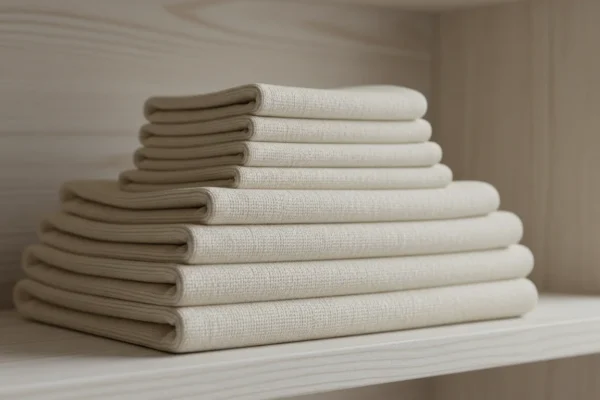
- Bed Liners and Towels: Disposable paper bed liners were used for each client, and all towels were laundered after a single use. Sarah invested in a commercial laundry service to handle the increased volume, ensuring proper sanitation.
This policy, while seemingly basic, formed the bedrock of her studio’s hygiene protocols. It removed ambiguity and offered clients absolute peace of mind. A report from the Occupational Safety and Health Administration (OSHA) on bloodborne pathogens provided a framework for understanding the dangers of improper tool handling, reinforcing Sarah’s decision.
Wax Quality and Application: Skin Health as a Priority
Beyond the tools and surfaces, Sarah recognized that the product itself played an important role in hygiene and client safety. She switched exclusively to high-quality hard wax. Unlike strip wax, hard wax encapsulates the hair without adhering strongly to the skin, minimizing irritation and reducing the likelihood of skin lifting or tearing. “It’s a gentler experience, which means less risk of micro-traumas where bacteria can enter,” she explained.
Plus, her pre- and post-waxing protocols were carefully designed. A pre-wax cleanser prepared the skin, removing oils and impurities. Post-wax soothing solutions, free of common irritants, helped calm the skin and prevent ingrown hairs. She trained her staff to educate clients on proper aftercare, helping them to maintain skin health at home. This well-rounded approach, from the moment a client walked in until their next appointment, truly elevated her studio’s offerings.
One of the more challenging aspects was ensuring consistent adherence from her team. Sarah understood that protocols are only as strong as the people implementing them. She instituted weekly training refreshers, not just for new hires but for all technicians. These sessions covered everything from proper handwashing techniques, as outlined by the World Health Organization (WHO), to specific disinfection procedures for each treatment room. She even created a visual checklist, laminated and displayed in each room, so technicians could quickly review steps. It became part of their routine, a second nature.
Communicating Trust: Transparency and Education
Sarah understood that even the best hygiene protocols were ineffective if clients weren’t aware of them. She implemented a multi-pronged communication strategy:
- Website Transparency: A dedicated “Hygiene & Safety” page on her studio’s website detailed every protocol, from tool sterilization to air purification. It was complete and easy to understand.
- In-Studio Signage: Clear, professional signs in the reception area and treatment rooms highlighted key hygiene practices.
- Technician Training on Communication: Her technicians were trained to subtly point out hygiene measures. “Before we start, I’ll just be sanitizing this area,” or “I’m using a fresh, single-use applicator for your comfort,” became common, reassuring phrases.
This transparency built immense trust. Clients weren’t just seeing a clean space. They were understanding why it was clean and the rigorous effort behind it. This proactive approach not only retained existing clients but also attracted new ones who were specifically seeking out businesses with demonstrably high hygiene standards. Sarah’s studio became known as the go-to place for a safe, clean, and effective waxing experience in Atlanta, particularly among those who had previously experienced less-than-ideal conditions elsewhere. She even offered a small, complimentary post-wax sample of a soothing serum, packaged hygienically, as a tangible reminder of their care.
The transition wasn’t without its initial hurdles. The increased cost of disposable items and advanced cleaning supplies required a slight adjustment in service pricing, a decision Sarah initially feared. However, the value proposition of superior hygiene resonated strongly with her client base. “People are willing to pay a little more for peace of mind,” she concluded. Her experience shows a critical lesson for any personal care business: in an environment where health awareness is paramount, hygiene isn’t just a regulatory requirement. It’s a foundation of client trust and business success.
Prioritizing stringent hygiene protocols, from careful tool sterilization to unwavering use of single-use items, is not merely a good practice but a fundamental requirement for building and maintaining client confidence in the personal care industry. Businesses must proactively demonstrate their commitment to safety, ensuring every client interaction reinforces their dedication to impeccable standards.
What are the most critical hygiene practices for a professional waxing studio?
The most critical hygiene practices include rigorous sterilization of all non-disposable tools, exclusive use of single-use disposable items like wax applicators and bed liners, thorough disinfection of all surfaces between clients, and strict adherence to hand hygiene protocols by technicians.
Why is “double-dipping” wax applicators a significant hygiene concern?
Double-dipping involves re-inserting a used wax applicator into the main wax pot. This practice can introduce bacteria, skin cells, and other contaminants from a client’s skin into the entire wax supply, creating a breeding ground for pathogens and posing a serious risk of cross-contamination for subsequent clients.
How can clients verify a waxing studio’s hygiene standards?
Clients can look for visible signs of cleanliness, ask about tool sterilization methods (e.g., autoclaves, hospital-grade disinfectants), observe if technicians use fresh gloves and single-use applicators for each step, and check for certifications or public health inspection reports. Many reputable studios also display their hygiene protocols openly.
What is the difference between sanitizing, disinfecting, and sterilizing in a waxing environment?
Sanitizing reduces the number of microorganisms to a safe level. Disinfecting kills most, but not all, pathogenic microorganisms on inanimate objects. Sterilizing eliminates all forms of microbial life, including spores, and is the highest level of decontamination, often achieved with specialized equipment like autoclaves for critical tools.
Are there specific regulations for waxing studio hygiene in Georgia?
Yes, the Georgia Board of Cosmetology and Barbers sets forth specific rules and regulations concerning sanitation and safety for all licensed establishments, including waxing studios. These regulations cover aspects like proper disposal of waste, disinfection of tools, and general cleanliness of the premises, and studios are subject to inspections by the Georgia Department of Public Health.